Our achievements in numbers
We invest in young people and the spaces where they grow up. Through financial support and active participation, youth centers become places of strength for communities.





We invest in young people and the spaces where they grow up. Through financial support and active participation, youth centers become places of strength for communities.
We create opportunities for development and success. Find out what our participants say about us!
We showed the youth of Kovel how to grasp the basics of entrepreneurship, develop their own ideas, attract funding, and bring their dreams to life
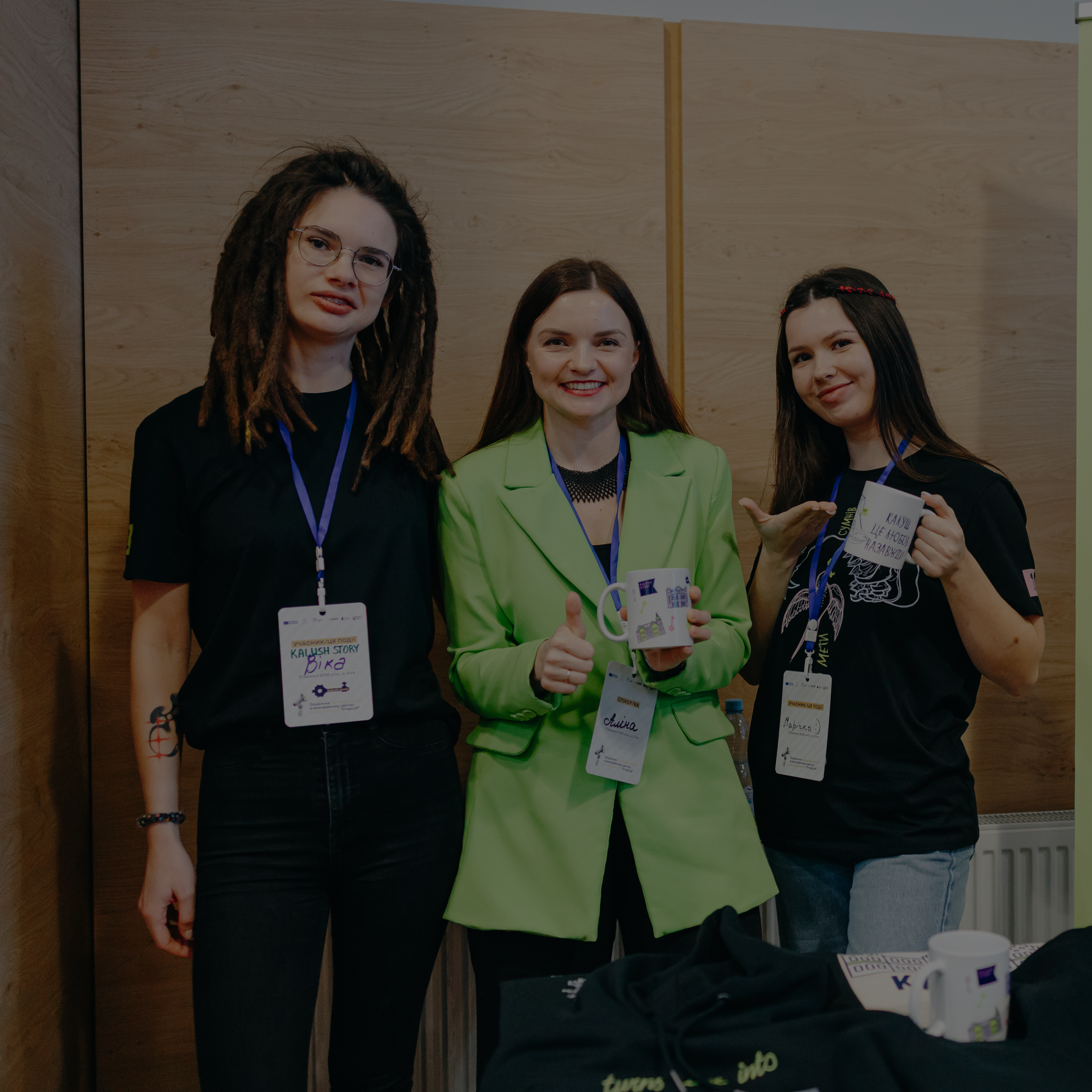
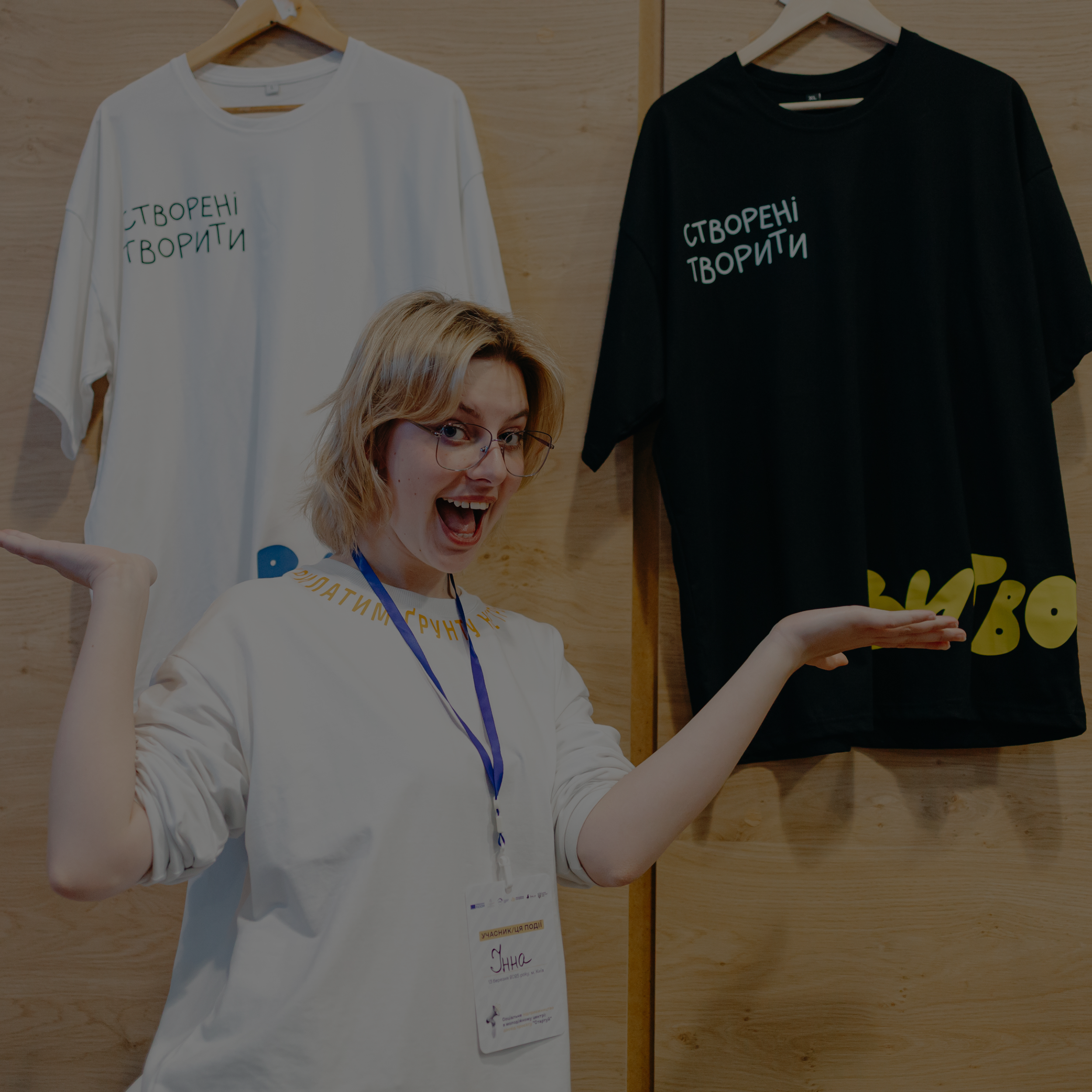
We don’t want to just make clothing with a logo — we want to create cool merch that people actually want to wear every day, something that becomes a real symbol of our community
Kalush Story has become more than just a business — it’s a true platform for social impact. The themed product collections highlight the cultural and historical uniqueness of Kalush, allowing us to creatively represent the city both nationally and internationally. The project shines a light on the region’s unique heritage, which had previously remained under the radar
Representatives of youth centers completed 10 workshops and two training sessions in both online and offline formats. The training covered all aspects of running a social enterprise, including the specifics of this type of entrepreneurship, social impact, legal frameworks, product development, design thinking, target audience research, market analysis, business modeling, effective communication, advertising, lean management, sales, and more.
Each youth center received mentorship support from experts in finance, budgeting, branding, marketing, accounting, SMM and communications, team building, legal matters, and more. This support was provided by practicing professionals in each respective field.
Along with training and mentorship, the youth centers received a subgrant of €15,000 as start-up capital to implement their business ideas. The funds were allocated in several stages in accordance with the gradual development of social enterprises within the youth centers.
As part of the project, each youth center held three thematic educational events. The teams shared their experience in social entrepreneurship, skills gained in strategic planning, financial management, resource mobilization, data literacy and digital skills, as well as their understanding and integration of environmental aspects and the green transition in business.
The project Start: Social Entrepreneurship in a Youth Center helped eight youth centers from different regions of Ukraine become more financially self-sufficient, develop business skills, and launch their own ventures with a significant social mission.
It was implemented by the Youth Platform NGO and the School of ME the Conscious Entrepreneurship School. The project was carried out in partnership with the Ministry of Foreign Affairs of the Republic of Lithuania and the Central Project Management Agency (CPVA), with the support of the Ministry of Youth and Sports of Ukraine and financial support from the European Union.
Participants were selected through a competitive process from over 40 youth centers across Ukraine. The winners of the competition demonstrated experience in successfully implementing grant projects and the prerequisites for running a social enterprise within their center.
This includes appropriate registration as a public organization or a municipal institution, organizational capacity, and some business experience. This is important because each participant was required to develop a viable social entrepreneurship idea with the help of mentors, one that would generate income to support and grow the youth center. An essential component was also social impact, meaning the business should be valuable not only for the center but also for the community.
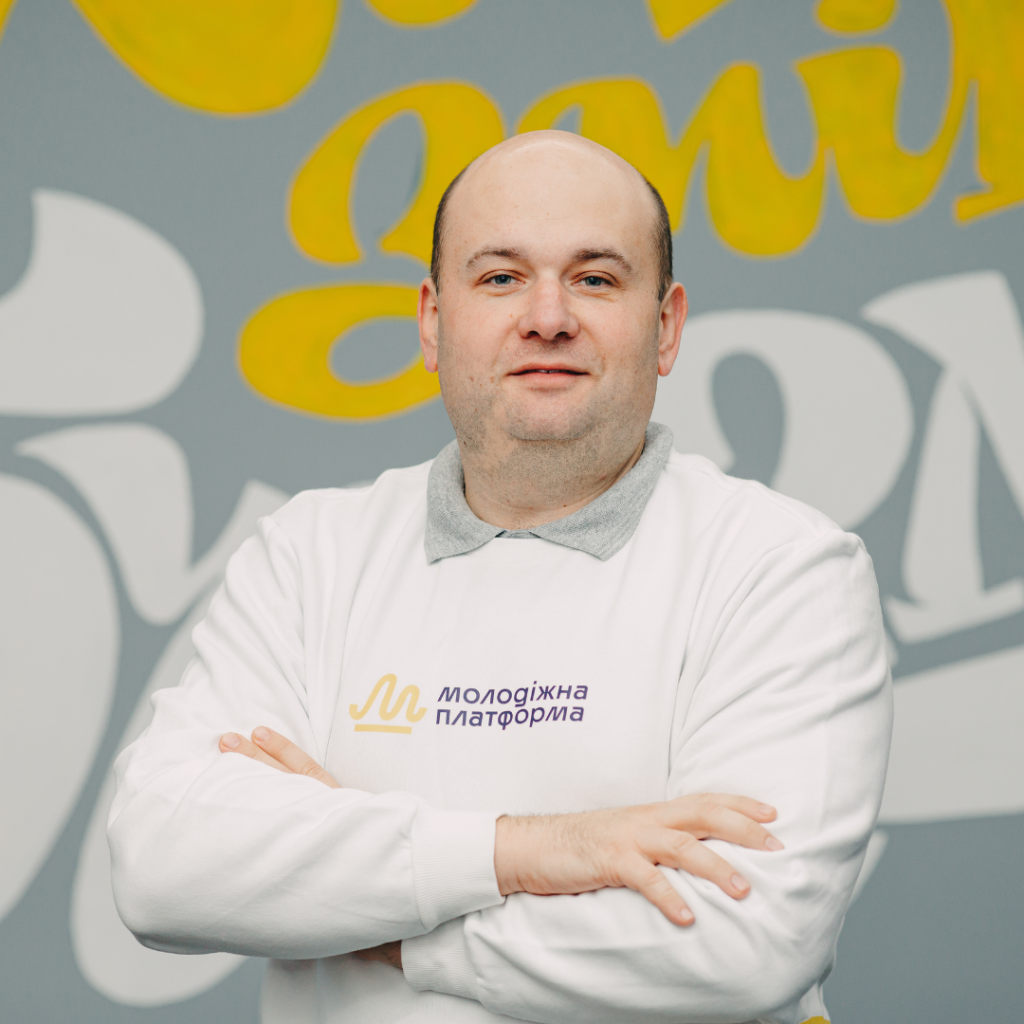
We assessed which potential participants had the necessary conditions for social entrepreneurship. We’re talking about a business aimed at both generating profit and addressing a social component, which comes with many challenges. That’s why the youth center teams needed to be organizationally capable and ready to learn a lot and develop a viable idea for their enterprise
Training and mentorship became a key stage in the implementation of the project, as they helped young people better understand business processes and the legal aspects of social entrepreneurship. The preparation included both theoretical parts and practical tasks, analysis of real business cases, and meetings with representatives of existing social enterprises. Project participants retain access to materials so they can continue to develop their skills in a convenient format, as well as consult with mentors to address ongoing challenges in their specific projects.

Training answered many of our questions—how to describe business processes, how to correctly handle legal registration. Unfortunately, the legislation does not clearly define how social entrepreneurship should be structured within youth centers. So there was some uncertainty, but the workshops really helped us understand this and set up the necessary processes
Many of the winning projects focus on the production of souvenirs and printed materials, which posed another significant challenge for the youth — establishing and optimizing production processes, scaling, and finding a market niche.
The selected thematic areas for the events — strategic planning, digital literacy, and green transition — were not chosen by chance. Organizing these events not only helped the youth center teams reinforce their skills by teaching others, but also allowed them to scale knowledge about social entrepreneurship to a broader youth audience and attract additional attention to their businesses.
The project will select 8 youth centers. These youth centers will be active participants in the project from March 2024 to April 2025.
– What is social entrepreneurship?
– Entrepreneurial thinking and entrepreneurial competencies
– Product development
– Study of the target audience and its needs
– Unique selling proposition
– Prototyping
– Business modeling
– Financial modeling
– Price and price segment formation
– Marketing and promotion
– Legal aspects of entrepreneurial activity
– Attracting investments and business plan
– the youth center is a legal entity;
– the center has existed and has been conducting continuous youth work for more than 1 year;
– the applying youth center team has ideas for implementing its own social entrepreneurship (problem + solution);
– the youth center team has more than 3 years of experience in implementing grant projects;
– the youth center team has a person/persons with entrepreneurial experience;
– the organizational capacity of the youth center or implementation partner to implement the project.
– Grant funding for the implementation of business plans in the amount of up to EUR 15,000 each. Funding will be provided by the IC in a consortium with NGOs that have at least one year of partnership with this IC.
– Funding will be provided in tranches: the first tranche is issued at the beginning of the project, each subsequent tranche is subject to the conduct/approval of financial reporting for the processing of the previous tranche.
– The Youth Platform NGO pays, not within the budget for the implementation of the business plan, for the work of the coordinator involved from the IC, but on a permanent basis for a period of up to 4 months, who will be responsible for the implementation of the project.